The Extra Time AI Buys You Is Already Gone
At Berry, faster AI tasks left a management job undone. Decide where saved time goes and count the checking and rework before calling it a gain.
Your team can get faster with AI and you can still finish the week with the same amount of work done.
The tool works, people are using it, but the extra time you thought you were getting doesn't seem to show up anywhere.
And if you're looking at that and wondering why people aren't doing more, let me tell you what we experienced at Berry, because we had this problem too.
We could do more, but we weren't properly guiding the teams toward what to do with that time, so it was being lost. We had improved what people could do without properly changing how we managed the work.
That's the part I want to talk about, because getting a report written faster and getting more useful work out of your company are two different things, and somebody has to do the work between them. If you run the company, that somebody needs your help.
Now, the obvious explanation is that people are stretching the work because they don't want more of it. And yes, I've seen the remaining tasks stretch to fit the same hours, checking a report starts taking longer, other parts of the job take up the time that was saved.
But from my perspective, calling that a problem with the team lets management off far too easily.
Think about what we've actually asked them to do. We give them a faster tool, but the work they're responsible for stays the same, and we haven't decided what finishing sooner should make room for.
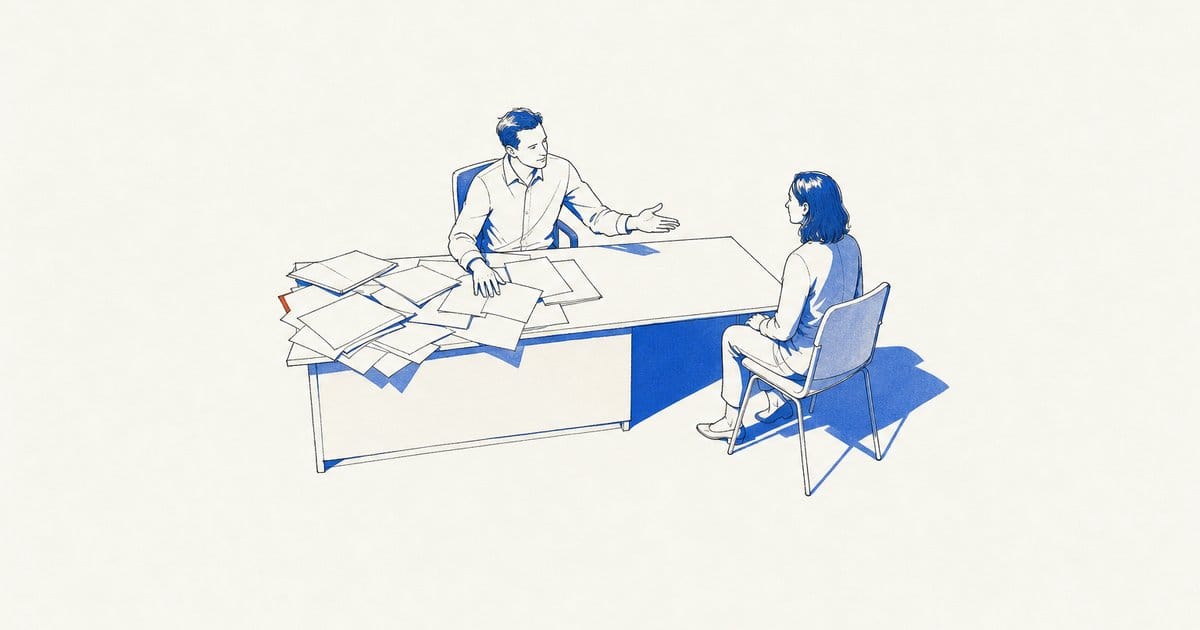
Then we expect them to figure out which other work matters most to the business, how much of it they should take on, and what they can stop doing to make that happen.
Those are management decisions. Your team can help you make them, of course, but they shouldn't have to guess what the plan was supposed to be.
At Berry, we had to improve how supervisors and managers guided their teams toward process improvement, better customer experience, ways to reduce errors and rework. Basically, the work that would help the business but wasn't being picked up just because people had a better tool.
I don't have before-and-after numbers to give you for that, what I'm describing is what we experienced, not a measured result I'm promising you.
And notice that none of those things has to mean giving someone more clients. If you use the time to fix a process that keeps causing mistakes, that's useful work. If you use it to take better care of the clients you already have, that's useful too.
But you have to decide that's what the time is for, and make it part of the job, otherwise it's just another thing everyone agrees would be good to do someday.
This is the AI productivity paradox, individual tasks get faster but the company doesn't seem to get the benefit, and I want to give you a little of the research without turning this into a list of numbers.
In a writing study published in Science, people using ChatGPT took 40 percent less time to do the writing tasks. That's a real result for the work those researchers tested, and it's easy to see why an owner would look at that and expect a big change in their own company.
Now look at the company side. A separate NBER survey asked nearly six thousand executives across four countries what AI had done for their firms over three years. Eighty-nine percent reported no effect on how much work they produced per worker.
Those weren't the same people doing the same work, so you can't put the two studies next to each other and calculate how much time went missing.
And the company figures were what executives reported, not somebody going through all their files to check the output. But they give you a reason to ask the question inside your own firm, because a faster task on its own doesn't tell you what happened to the business.
You might say we just need to give it more time, and I agree that changing how a company works takes time. You don't give everyone a login on Monday and expect a different company on Friday.
But the waiting has to include doing something differently. In a Census Bureau paper, 64 percent of firms using AI said they hadn't made any changes to how the company was organized to use it. So for a lot of firms, the tool arrived and the way the company worked stayed where it was.
What I've seen at Berry and in client work is one way that can play out, people get faster at part of the job and the work around it takes the time back.
The studies don't prove that this is where their missing gains went, that's my observation, and I'm not saying it explains every company. It is something I would check before buying another tool to solve the problem.
Because there is another possibility, and you need to separate it from time that was saved and then lost. Sometimes the saving wasn't there once you counted the whole job.
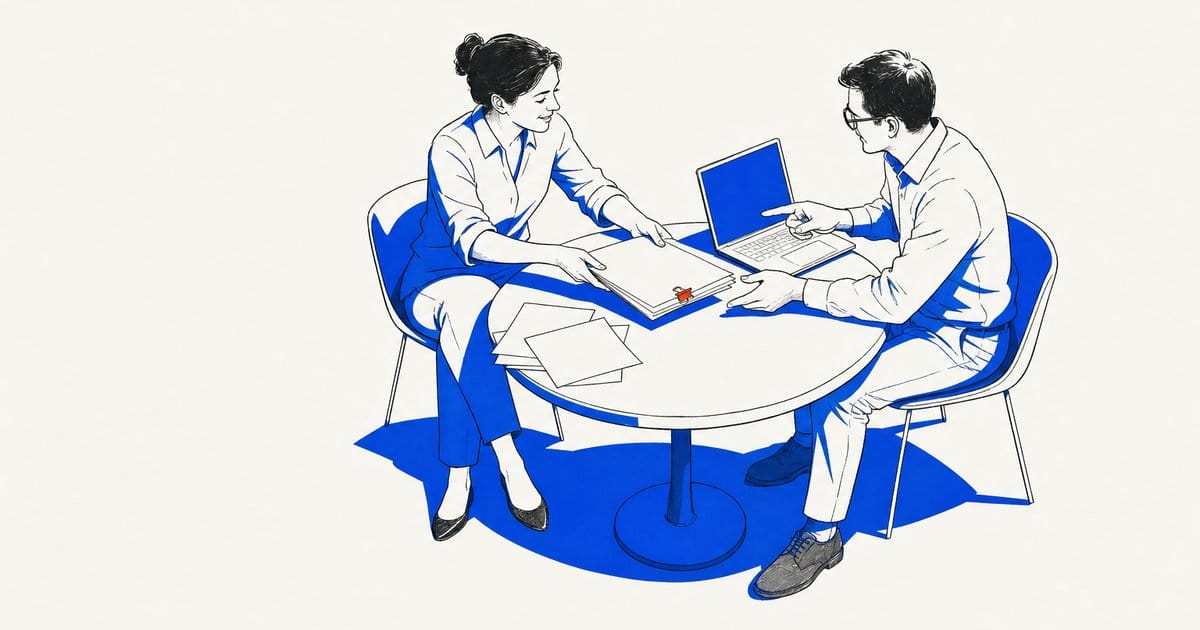
Take a report as an example. AI helps someone write it faster, but someone still has to read it, check the numbers, fix anything that's wrong and get it ready for the client.
If that part takes longer now, you have to count it too. You can't take the time saved on writing and call it a win while leaving the person checking it out of the calculation.
And please don't take that as a reason to tell people to check less. If the report needs checking, it needs checking, the client doesn't get a worse report because we wanted a better number for our AI project. You need to find out whether the new way of doing the whole job is actually better.
So I would start there, before making any promise about what the team can take on. Pick one piece of work and follow it all the way through, from what comes in to what the client actually receives.
Write down who touches it, how much time they spend, what gets checked and what gets sent back to be done again. You need a picture of the work as it happens today, because later you're going to compare against it, and memory isn't good enough for that.
Then, before you put the tool into that work, decide what you want any saved time to make room for. Maybe it's more client work, maybe it's fixing the process that keeps sending reports back, whatever your firm actually needs.
The important part is that you name the work and somebody is responsible for assigning it.
I would put that in the same plan as the tool and the training. People need to learn how to use the AI, but they also need to know how their job is changing with it, what they're still responsible for checking, and what they should work on when that time becomes available.
Otherwise you teach them a faster way to do the old job, let them settle into it, and come back later to say you expected more all along.
From their side, you have changed the agreement after they learned the work. That is a harder conversation than explaining the new way of working before you start.
And once it's running, go back to the work you measured and look at the whole thing again. Did writing get faster, did review get slower, are fewer things coming back, how much time did it take to get something the client could actually use?
If the writing got faster but the finished report took the same amount of work, you don't have those hours available yet. You have a part of the process that improved and another part you still need to work on.
If you did free up time, check whether the work you planned for it is happening. Don't stop at someone saying the tool saves them time, go and look at the process they were going to improve, the client work they were going to take on, whatever you agreed those hours were for. That's how you find out whether the change reached the business.
You don't need to turn this into a company-wide project before you can learn anything. Start with the piece of work you're about to change, measure it properly and have the conversation with the manager who owns it.
If nobody has the authority to change what the team works on, sort that out before you count on getting more done.
So before your next rollout, sit down with that manager and decide what the team will do if the time is actually freed, and how you'll check that it happened. Don't leave them to guess.